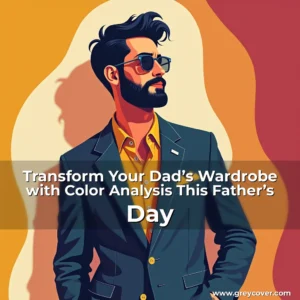
The Psychology and Aesthetics of Men’s Color Choices: Understanding the Shades That Define Us
In an age where personal expression is celebrated through fashion and style, the colors men choose play a significant role in shaping their identity and perception by others. From the deep navy blue of a tailored suit to the bold red of a leather jacket, each hue carries meaning beyond its visual appeal.
Menswear has evolved from rigid conventions to embrace individuality, yet certain color choices remain deeply rooted in cultural norms, psychological associations, and even biological predispositions. This exploration delves into why men gravitate toward particular shades and how these selections influence everything from professional impressions to social interactions.
The Science Behind Men’s Preferred Colors
Color psychology suggests that men are often drawn to hues associated with confidence, authority, and stability. Dark blues and greys frequently top lists as preferred masculine tones because they convey professionalism without appearing overly formal.
A study published in the Journal of Consumer Research found that men who wore dark clothing were perceived as more competent and trustworthy in business settings compared to those wearing lighter shades. This phenomenon extends to casual wear too—black jeans paired with a white shirt create a timeless look favored across cultures.
However, evolutionary biology offers another perspective. Researchers at Harvard University discovered that men tend to prefer warmer colors like brown and orange during colder months, possibly linking them to warmth and survival instincts ingrained over millennia.
- Dark Blues: Symbolize trustworthiness and competence while offering versatility in both professional and informal contexts
- Browns: Evoking feelings of reliability and groundedness, especially popular among outdoor enthusiasts and professionals
Cultural Influences Shaping Male Color Preferences
Historical context plays a crucial role in defining what is considered’masculine’ in terms of color selection. In many Western societies, black has long been synonymous with power and sophistication, while traditional Asian cultures often favor earthy tones that emphasize harmony with nature.
This contrast becomes evident when comparing corporate attire in New York City versus Tokyo offices. While American executives may opt for charcoal suits, Japanese counterparts might choose muted greens or sepia-toned fabrics that reflect respect for tradition rather than overt status symbols.
The rise of global fashion trends has started to blur these distinctions, but regional preferences still persist. For example, Mediterranean countries showcase vibrant reds and oranges in menswear, reflecting their sunny climate and rich cultural heritage.
The Role of National Identity in Color Perception
National flags and historical events significantly shape collective perceptions about appropriate male colors. In France, the iconic blue, white, and red combination influences not only military uniforms but also everyday dress codes emphasizing patriotism through subtle color cues.
A survey conducted by the International Fashion Institute revealed that 68% of French men incorporate elements of their national flag into their wardrobes at least once a month, whether through accessories or clothing items featuring these classic shades.
Similar patterns emerge in other nations—Germany’s preference for darker, more subdued palettes aligns with its industrial history, whereas Scandinavian countries embrace light neutrals due to their geographical proximity to polar regions requiring adaptation to limited sunlight.
Psychological Impact of Color Selection on Men
The choice of clothing colors can profoundly affect self-perception and behavior. According to Dr. Alice Thompson, a leading researcher in behavioral science, individuals who consistently wear colors associated with their desired traits experience increased confidence levels by up to 25% over time.
Men who regularly incorporate green into their outfits report feeling more balanced and focused, likely due to the color’s association with growth and renewal. Similarly, those who experiment with purple—an historically feminine shade—are increasingly embracing it as a symbol of creativity and innovation in modern masculinity.
This shift challenges outdated gender stereotypes surrounding color appropriateness. As societal attitudes evolve, so does the acceptance of diverse color palettes among men seeking to express themselves authentically through fashion choices.
The Business Case for Strategic Color Usage
In professional environments, strategic use of color can enhance leadership presence and communication effectiveness. Studies show that CEOs who wear navy-blue suits appear more authoritative during board meetings than those opting for neutral beige alternatives.
Color coordination also impacts team dynamics within organizations. Teams whose members dress in cohesive color schemes demonstrate improved collaboration rates compared to groups with mismatched or overly colorful appearances.
Corporate branding guidelines now explicitly address employee attire standards, recognizing that consistent color representation reinforces company values and enhances brand recognition among clients and partners alike.
Industry-Specific Color Guidelines
Different professions have developed distinct color protocols based on industry expectations and client needs. Architects, for instance, often favor cool tones like steel gray and slate blue to project technical expertise and design sensibility.
Healthcare professionals typically adhere to soft pastel shades that promote calmness and approachability, contrasting sharply with the high-contrast black-and-white ensembles common in legal fields aiming to establish strictness and objectivity.
Tech startups encourage creative freedom with bolder color combinations, allowing employees to showcase personality while maintaining professional boundaries set by company culture.
Fashion Trends Reshaping Masculine Palettes
Contemporary fashion movements challenge conventional notions of masculinity through innovative color experimentation. Designers like Virgil Abloh have redefined streetwear aesthetics by incorporating bright neons alongside classic grays, creating visually striking contrasts that redefine urban style.
Y2K revivalism brings back metallic sheens and fluorescent accents previously deemed unmanly, proving that fashion evolution continuously reshapes what is acceptable—or even desirable—in male apparel.
This trend reflects broader cultural shifts towards inclusivity and authenticity, enabling men to explore color palettes that resonate personally rather than conforming strictly to established norms.
Seasonal Considerations in Men’s Coloring Choices
As seasons change, so do the color palettes that dominate menswear collections. Winter tends to feature deeper, richer tones such as burgundy and forest green, which provide warmth against cold weather while maintaining elegance in formal settings.
Spring introduces lighter shades like powder blue and mint green, mirroring the renewal of life around us and encouraging fresh starts in both wardrobe choices and lifestyle transitions.
Summer calls for breathable materials paired with bright colors such as saffron yellow and sky blue, creating a sense of energy and vitality suited for warm climates and active lifestyles.
Adapting Wardrobe Transitions Smoothly
Transitioning between seasonal color palettes requires thoughtful curation of one’s wardrobe. Investing in versatile base layers allows for easy layering combinations that adapt seamlessly to changing temperatures and daylight hours.
Neutral-colored basics serve as excellent foundations upon which accent pieces can be added seasonally without needing complete outfit replacements. This strategy maximizes investment value while keeping looks current year-round.
Understanding color temperature relationships helps maintain balance in any ensemble—cool tones work best together, while warm hues require careful pairing to avoid overwhelming the overall aesthetic.
Personal Style Development Through Color Experimentation
Developing a distinctive personal style involves experimenting with various color combinations until finding ones that feel authentic. Starting with monochromatic schemes provides structure before gradually introducing complementary colors for dimensionality.
Trying out new shades every few weeks helps identify natural inclinations and build confidence in making deliberate fashion decisions aligned with self-image goals. Keeping track of successful pairings aids future reference when curating outfits.
It’s essential to consider skin tone compatibility when selecting colors; cooler undertones generally benefit from warmer hues while warmer complexions find greater vibrancy in cooler shades. Professional stylists recommend testing different options under varied lighting conditions for accurate results.
Ethical and Environmental Considerations in Menswear Coloring
Modern consumers are becoming increasingly aware of environmental impact related to textile production processes. Sustainable fashion brands prioritize using plant-based dyes and recycled fibers that minimize ecological damage while delivering fashionable outcomes.
Pioneering companies like Patagonia implement closed-loop dye systems reducing water consumption by up to 90%, demonstrating that eco-conscious approaches don’t compromise quality or aesthetic appeal. These innovations are slowly influencing mainstream retailers to adopt similar practices.
Choosing garments produced with ethical manufacturing principles supports fair labor conditions globally. Certifications such as Fair Trade ensure transparency regarding supply chain operations, empowering buyers to make informed decisions aligned with personal values.
Technology’s Influence on Modern Color Perceptions
Advancements in digital imaging technologies alter our perception of colors through screens, affecting how we interpret hues in real-life situations. LED displays render colors differently than natural light sources, potentially skewing our understanding of true color representations.
Virtual try-on features used by online retailers employ augmented reality algorithms that simulate how different colors would appear on individual physiques, helping shoppers make better-informed purchases remotely.
These technological tools enable more precise color matching capabilities, ensuring that chosen shades complement skin tones accurately regardless of viewing medium. However, there remains a need for physical inspection before finalizing major purchases involving expensive items like suits or shoes.
Conclusion
The relationship between men and color is multifaceted, influenced by scientific research, cultural traditions, psychological factors, and evolving fashion landscapes. Understanding these dimensions empowers individuals to make conscious choices that align with their identities and aspirations.
By embracing a nuanced appreciation for color symbolism and practical applications, men can cultivate styles that reflect their personalities while navigating professional spaces effectively. Ultimately, the right color palette serves not just as adornment but as an extension of self-expression in daily life.